
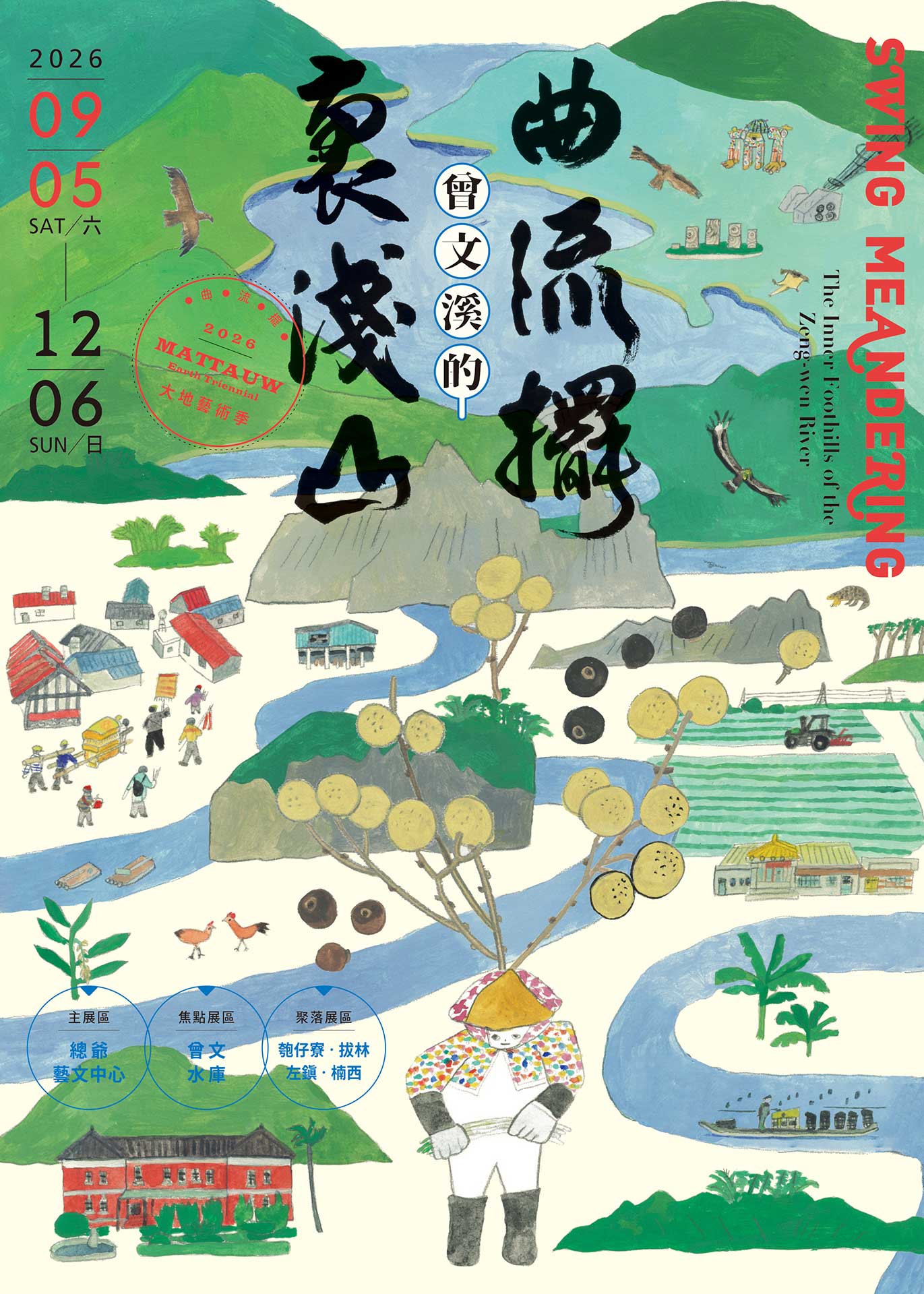
2026 Mattauw Earth Art Festival
Swing Meandering
The Inner Foothills of the Zengwen River
Art sways with the Zengwen River; all beings journey through the foothill villages
1 River × 2 Reservoirs × 3 Years of Fieldwork × 4 Villages × 5 Senses
The 2026 Mattauw Earth Art Festival proposes a dual vision of the 'Entire Watershed' and the 'Foothill Belt'. It examines the interconnectedness of the entire basin and the systems of sacrifice within it, while focusing on the foothill living area situated between two reservoirs. Under the living…
Swing Meandering──The Inner Foothills of the Zengwen River
The 2026 Mattauw Earth Art Festival proposes a dual vision of the 'Entire Watershed' and the 'Foothill Belt'. It examines the interconnectedness of the entire basin and the systems of sacrifice within it, while focusing on the foothill living area situated between two reservoirs.
Under the living conditions of the Anthropocene and extreme climate, it attempts to transform artistic actions into a practice of re-interrogating the 'Social-Natural Contract'. Over a three-year period, this exhibition has gradually accumulated field experience and relationship networks, culminating in three main axes─which also serve as the methodology proposed for this edition of the Festival: reading the more-than-human experiential messages in the field through embodied practice, creating a platform for public dialogue via experimental education and immersive experiences, and deeply listening at various settlement sites to the manifold meanings embedded in the name of the Zeng-wen River. Ultimately, the Earth Art Festival becomes an intermediary network woven from multiple relationships, using the foothill belt of the Zeng-wen River as a coordinate to trace a possible form of contemporary life relations.
3 main axes · 8 curators · 14 sub-projects · 37 artists/collectives · 41 artworks — Connecting International Vision, Deepening Tainan Local Dialogue
Visitor Info
The venues are spread across a wide area. Please check opening hours and transport for each venue before you set out.
開放時間Opening Hours
All venuesWednesday – Sunday, 09:00–17:00
The following venues keep different hours:
- Zuozhen 左鎮|土農工商行, 霓土 Space
- Friday – Sunday, 10:00–17:00
- Nanxi · Mizhi 楠西・密枝|果農之家
- Monday – Wednesday and Friday – Sunday, 09:00–17:00 (closed Thursday)
- Qigu · Dingshan Elementary School 七股・頂山國小 (Taiwan Black-faced Spoonbill Conservation Association)
- Wednesday – Sunday, 10:30–16:30
展區地址Venues & Addresses
Addresses are given in Chinese so you can show them to a taxi driver or paste them into a map app.
- Main VenueTsung-Yeh Arts and Cultural Center 總爺藝文中心臺南市麻豆區南勢里總爺5號Directions (opens Google Maps in a new window)
- Focus VenueZengwen Reservoir 曾文水庫臺南市楠西區密枝里70號Directions (opens Google Maps in a new window)
- Village VenueGuantian · Balin 官田・拔林拔林工作站(臺南市官田區拔子林29號)Directions (opens Google Maps in a new window)
- Village VenueLiujia · Pû-á-liâu 六甲・匏仔寮六甲匏仔寮池王府(search Google Maps for 匏仔寮池王府)Directions (opens Google Maps in a new window)
- Village VenueZuozhen 左鎮
- 霓土 Space(臺南市左鎮區左鎮101-6號)Directions (opens Google Maps in a new window)
- 土農工商行(臺南市左鎮區內庄54-1號)— search Google Maps for 左鎮睦光里「吃飯」, then follow the flags up the lane diagonally oppositeDirections (opens Google Maps in a new window)
- 公舘社區發展協會(臺南市左鎮區岡林里31號)Directions (opens Google Maps in a new window)
- 左鎮老街Directions (opens Google Maps in a new window)
- 左鎮區圖書館(臺南市左鎮區中正里176-19號)Directions (opens Google Maps in a new window)
- Village VenueNanxi · Mizhi & Zhaoxing 楠西・密枝&照興
We suggest driving to 玉井派出所 first, then searching Google Maps for the Nanxi venues from there. This avoids the narrow farm roads.
- 照興社區活動中心(臺南市楠西區照興里興南14-2號)Directions (opens Google Maps in a new window)
- 果農之家(臺南市楠西區密枝里6號)Directions (opens Google Maps in a new window)
- Satellite VenueQigu · Dingshan Elementary School 七股・頂山國小臺南市七股區頂山里頂山153-2號Directions (opens Google Maps in a new window)
大眾運輸Public Transport
Routes to each venue are listed below; tap to expand. Station, stop and route names are given in Chinese as they appear on signs and timetables. Buses run infrequently, so please check the timetable again before you travel.
Main VenueTsung-Yeh Arts and Cultural Center 總爺藝文中心
Train隆田 Station Bus橘10
From the front of 隆田 Station, take bus 橘10 and get off at 總爺糖廠. The stop is the arts center itself. The ride takes about 20 minutes.
Focus VenueZengwen Reservoir 曾文水庫 ×Village VenueNanxi · Zhaoxing 楠西・照興社區
Train臺南 Station (front exit), 善化 Station Bus綠幹線, 綠24
Take bus 綠幹線 from the front exit of 臺南 Station, or bus 橘幹線 from 善化 Station; both reach 玉井轉運站. There, change to bus 綠24 and get off at 照興里. The Zhaoxing venue is about a 15-minute walk from the stop. Staying on 綠24 takes you to 曾文管理局 at Zengwen Reservoir, the stop for the artworks Agricultural Laborer and Glistening Waves. Some departures continue to 觀景樓, the stop for the artwork Yungu.
Including transfer waiting time, allow about 2 hours to Zhaoxing and about 2 hours 20 minutes to Zengwen Reservoir.
Please note that 綠24 departs 玉井轉運站 only at 9:00, 10:50, 11:50, 12:15 and 15:00.
Village VenueNanxi · Mizhi 楠西・密枝社區
Train臺南 Station (front exit), 善化 Station Bus綠幹線, 綠23, 綠25
Take bus 綠幹線 from the front exit of 臺南 Station, or bus 橘幹線 from 善化 Station; both reach 玉井轉運站. There, change to bus 綠23 or 綠25 and get off at 密枝南, the stop for the Mizhi venue 果農之家.
Please note that 綠23 departs 玉井轉運站 only at 9:50 and 11:30, and 綠25 only at 8:10, 12:50 and 15:50. Including transfer waiting time, allow about 2 hours to Mizhi.
Village VenueGuantian · Balin 官田・拔林
Train拔林 Station
Get off the train at 拔林 Station. The Balin venue 拔林工作站 is an easy 2-minute walk away.
Village VenueLiujia · Pû-á-liâu 六甲・匏仔寮
Train林鳳營 Station Bus黃2
From the front of 林鳳營 Station, take bus 黃2 and get off at 匏仔寮, which is the village venue itself. The ride takes about 45 minutes.
Please note that only two 黃2 departures serve the 匏仔寮 stop, at 7:35 and 11:15.
Village VenueZuozhen 左鎮
Train臺南 Station (front exit) Bus綠幹線, 綠12, 綠13
Take bus 綠幹線 from the front exit of 臺南 Station and get off at 左鎮分駐所, about an hour's ride. The venue 霓土 Space × 土偶工作室 is a 2-minute walk away.
From 霓土 Space it is about a 10-minute walk to the venue 左鎮老街, and 2 minutes from the entrance of the old street to the venue 左鎮區圖書館. When you have finished here, walk a few minutes to the 綠幹線 stop 左鎮果菜市場. From there, bus 綠12 takes you to 睦光 for the venue 土農工商行, and bus 綠13 takes you to 岡林 for the venue 公舘社區.
Satellite VenueQigu · Dingshan Elementary School 七股・頂山國小 (Taiwan Black-faced Spoonbill Conservation Association)
Train臺南 Station (front exit), 新營 Station Bus藍幹線, 藍11, 藍13
Take bus 藍幹線 from the front exit of 臺南 Station, or bus 橘幹線 from 新營 Station, to 佳里轉運站. There, change to bus 藍11 or 藍13 and get off at 頂山子. The venue is about a 3-minute walk away. Including transfer waiting time, allow 90 minutes to 2 hours.
流域巴士Shuttle Bus|Weekend Venue Tours
The Watershed Shuttle Bus is run especially for the Mattauw Earth Art Festival. Two routes, one on Saturdays and one on Sundays, take in all seven venues. Both start and end at a railway station, keep the journey low-carbon, and play the festival's podcast on the way, introducing the exhibition and the landscape you are passing through.
Saturday route40 seats
- 9:00善化 Station
- 9:15–9:45Balin 拔林
- 9:55–11:00Tsung-Yeh Arts and Cultural Center 總爺
- 11:30–12:30Qigu 七股
- 13:30–14:15Nanxi 楠西(照興)
- 14:30–16:30Zengwen Reservoir 曾文水庫
- 17:30善化 Station
Sunday route19 seats
- 9:00善化 Station
- 9:15–11:00Tsung-Yeh Arts and Cultural Center 總爺
- 11:10–12:40Balin 拔林
- 13:10–14:10Pû-á-liâu 匏仔寮
- 14:50–17:00Zuozhen 左鎮
- 17:30善化 Station
The booking pages are in Chinese only.
Fares
Before you board
- Booking is required and seats on each departure are limited, so please book early.
- Lunch and drinks are not provided. Some venues sell food, but we suggest bringing your own meal and water.
- The route includes mountain roads. Please consider bringing motion-sickness tablets and insect repellent.
- The festival covers a great many venues and artworks. Even though the two routes together visit every venue, they cannot cover everything, and we ask for your understanding.
- Boarding partway through the route is not possible. If you leave the tour before it ends, no refund can be given.
- Passengers must keep to the timetable at each stop. If timings have to change because of traffic, please follow the on-board guide's instructions, so that everyone travels safely and fairly.
流域電臺Watershed Radio
The venues lie far apart, and we suggest listening to Watershed Radio as you travel between them. On the winding mountain roads, turn it on and let the voice of the watershed sway with you through the meanders, on to the next village and the next venue.
Watershed Radio takes the form of unscripted conversations between the curators, opening up the art projects along the Zengwen River, the curatorial vision, the local pathfinders, the village sites and the events in depth.
Episodes are in Mandarin.
Travel Info
Day trips near the venues, local places to eat, and hotel offers for festival visitors. Names of places and shops are given in Chinese, as they appear on signs and in map apps.
推薦順遊Day Trips
Local experiences near the venues that fit into the same day. Most activities need to be booked, so please contact the hosts in advance. Bookings are generally in Chinese.
Tsung-Yeh Arts and Cultural Center 總爺藝文中心倒風雅客聚落
倒風雅客聚落 is a 10-minute walk or 3-minute drive from the Tsung-Yeh Arts and Cultural Center, in 總榮庄, a village that once housed sugar-factory workers. Based in a traditional three-sided courtyard house, a group of young people here combine local revitalisation, old-house restoration, community arts and local cuisine, making it an important platform for the culture of the former 倒風內海 lagoon.
- 《灶.聚》 village restoration craft experience 2 hours: a village walk, stories of the old houses, a hands-on restoration craft (mosaic trivet or decorative panel) and a closing village ritual. Up to 8 people; recommended for ages 8 and up.
- Tsung-Yeh sugar-town walk × watershed fermentation meal 2 hours: an in-depth walk through the old houses, a slow-food meal of local ingredients, served in a hand-woven bamboo basket with a plant-dyed wrapping cloth. Up to 8 people.
Qigu · Dingshan Elementary School 七股頂山國小生命之樹 × 龍亨觀光
生命之樹 (Tree of Life) is a work by the artist 楊士毅, set in the fan-shaped salt fields of 青鯤鯓, only about 5 minutes by car from the Dingshan Elementary School venue. The salt fields have been adopted by a coalition led by the Black-faced Spoonbill conservation association based at the school, which protects the disused salt pans and the surrounding wetland.
龍亨觀光 operates from 龍山 Pier in Qigu. Its owner, 蔡明亨, is one of the festival's local pathfinders and runs lagoon tours with an ecological focus. Follow him to look for the small creatures of the sandbars, see the daily work of the oyster farmers and hear the stories of the migratory birds.
- 生命之樹 Tree of Life Open all day; free to visit.
- 龍亨觀光 lagoon tour 2 hours, including the boat ticket, guided tour and grilled oysters.
Zuozhen 左鎮公舘社區 × 左鎮老街
公舘社區 and 左鎮老街 are both Zuozhen venues, run with care by local organisations and shops. 公舘社區 covers three mountain villages, 二寮, 岡林 and 草山, with remarkable landscapes such as the sunrise sea of clouds at 二寮 and the badlands of 草山. The community has set up a care centre for elders in the closed 岡林 Elementary School, and works together to add value to badland crops and develop local dishes; its arrowroot products are especially good.
左鎮老街 is Taiwan's shortest old street. Restored old houses and the young people who have moved back have brought it to life again. Together with the nearby 蔗埕 Park, the old trades around it and a small badland within walking distance, it makes a pleasant place to spend some time.
- 公舘社區 tours and workshops Badland geology and cultural tours, hands-on workshops (arrowroot snacks, 草仔粿 rice cakes, bamboo tops and more) and local set meals.
- Walks around Zuozhen Local partners can also arrange walks through the history of the old town, Tibetan Buddhist art at 噶瑪噶居寺, and tours of the fossil park.
Nanxi · Mizhi 楠西・密枝果農之家
果農之家, the venue in Mizhi village, is a restaurant that cooks with fruit. Its large grounds, 森果川生活園區, are planted with longan, star fruit, mango and guava trees, with forest trails and satoyama habitats, and offer forest walks and nature tours.
The owners work closely with the Nanxi business community and have kindly opened the veranda outside the restaurant as an exhibition space. You are welcome to look around, stop for a drink, or book a seasonal workshop. The fruit dishes are not to be missed.
- 果農之家 "Fruit Journey" day programme A guided nature walk (fruit picking or botanical printing), a fruit feast (ten dishes and a soup with fresh juice) and a seasonal workshop (jam, pickled plums, green-mango pickles and more). Groups of 10 or more; half-day and single activities are also available.
- Fruit meal for two Not only banquet tables: two people can order a fruit meal for two.
推薦美食Local Eats
Favourite places to eat, collected by the curatorial team on their fieldwork trips.
59 places across Madou, Guantian, Liujia, Qigu, Zuozhen, Nanxi, Yujing and Xinhua, all on one map.
旅宿優惠Where to Stay
Most offers require the 2026 Mattauw Earth Art Festival event handbook. Offers and prices are subject to each hotel's own terms. Addresses are in Chinese for taxis and map apps.

宇田商旅 E Hotel
- From 9/5 to 10/31, show the event handbook for 40% off the weekday rate and 35% off at weekends.
- Stay two nights or more and pay the weekday rate every night.
744臺南市新市區大營里陽光大道70號06-5838999
801安平浪居
- NT$800 off per night on weekdays, NT$500 off at weekends.
- Mention the handbook offer when booking and show the handbook at check-in.
708臺南市安平區億載里永華十二街27巷51號0928-595152
柳營尖山埤渡假村 Liuying Jianshanpi Resort
- During the festival (9/5–12/6), show the event handbook for:
- A deluxe double room at 尖山埤會館 for NT$3,500 on weekdays and NT$4,700 at weekends.
- No service charge at the resort's restaurants.
- Admission at the child rate (NT$100), up to 4 tickets per handbook.
736臺南市柳營區旭山里60號06-6233888
禧榕軒大飯店 Grand Banyan Hotel
- 10% off all room types during the offer period (based on the day's standard rate with breakfast on the hotel website).
704003臺南市北區公園里成功路28號06-2222188

榮美金鬱金香酒店 Golden Tulip Glory Fine Hotel
- Book the "2026 Mattauw大地藝術季" package on the hotel website for a special rate.
- Show the event handbook at check-in.
70458臺南市北區立人里海安路三段50號06-2200366
未艾公寓
- Book on the official website (opens in a new window) with the code Mattauw26 for a special rate.
- Valid 2026/9/5 (Sat) – 12/12 (Sat); not valid on Saturdays or public holidays.
- 10% off at 未艾咖啡館 on the ground floor with the event handbook.
- Enquiries via LINE: @012eppcc
700臺南市中西區淺草里正興街77巷10號06-2226696
仙湖休閒農場
- Stay in the 迎山房 room with the event handbook for a complimentary longan afternoon tea for two, once per handbook.
733臺南市東山區南勢里一鄰6-2號06-6863635
Events
Talks, workshops, walks and performances across the venues throughout the festival. Most events need to be booked and places are limited. Event details are in Chinese.
Book events(ACCUPASS) (opens in a new window)Add to calendar
活動日程Schedule
| Sun | Mon | Tue | Wed | Thu | Fri | Sat |
|---|---|---|---|---|---|---|
| 1 | 2 | 3 | 4 | |||
| 7 | 8 | 9 | 10 | 11 | ||
| 13 | 14 | 15 | 16 | 17 | 18 | |
| 20 | 21 | 22 | 23 | 24 | ||
| 28 | 29 | 30 |
| Sun | Mon | Tue | Wed | Thu | Fri | Sat |
|---|---|---|---|---|---|---|
| 1 | 3 | |||||
| 5 | 6 | 7 | 8 | 9 | ||
| 12 | 13 | 14 | 15 | 16 | ||
| 19 | 21 | 22 | 23 | |||
| 26 | 27 | 28 | 29 | 30 |
| Sun | Mon | Tue | Wed | Thu | Fri | Sat |
|---|---|---|---|---|---|---|
| 2 | 3 | 4 | 5 | 6 | ||
| 9 | 10 | 11 | 12 | 13 | ||
| 16 | 17 | 18 | 19 | |||
| 24 | 25 | 26 | 27 | |||
| 30 |
| Sun | Mon | Tue | Wed | Thu | Fri | Sat |
|---|---|---|---|---|---|---|
| 1 | 2 | 3 | 4 | |||
| 7 | 8 | 9 | 10 | 11 | 12 | |
| 13 | 14 | 15 | 16 | 17 | 18 | 19 |
| 20 | 21 | 22 | 23 | 24 | 25 | 26 |
| 27 | 28 | 29 | 30 | 31 |
September
-
09.05Sat
開幕市集「循流好市」
-
09.05Sat
《邊界的水位》開幕表演
藝術家 釣り人は鳥を知らない
-
09.06Sun
嗅聞曾文溪——重構氣味記憶工作坊
藝術家 Frank Bloem
-
09.12Sat
【走讀】人之徑
茅明旭×吳其錚×徐育霓
-
09.12Sat
【曲流擺】親子劇體驗活動─青暝蛇的足跡
小蟲子
-
09.19Sat
《Yungu 魚筌》民眾參與工作坊
藝術家 巴蘇雅・亞古曼
-
09.19Sat
【曲流擺】親子劇體驗活動─用感官打開淺山的四封信 手作活動
小蟲子
-
09.25–09.26Fri–Sat
《波光粼粼》民眾參與工作坊
藝術家 涂維政
-
09.25Fri
《曾文溪之戀》放映暨映後分享
因天氣因素,順延半小時
-
09.26Sat
【曲流擺】親子劇體驗活動─誰來替河流說話
小蟲子
-
09.26Sat
採集進行式——以烤的圍煮
-
09.27Sun
野土創作分享會
藝術家 吳其錚
-
09.27Sun
《看水 · 踅庄》走徑匏仔寮
差事劇團
October
-
10.02Fri
跟著引路人巡水路
何昇穎
-
10.04Sun
【曲流擺】剝菱角活動
-
10.10Sat
【走讀】土窯路
陳瑋軒×羅協全×徐育霓
-
10.10–10.11Sat–Sun
《無真行動──當可追溯性逐漸消失》表演現場
藝術家 陳孝齊×藝術家 張君慈×策展人 吳思鋒
-
10.11Sun
《看水 · 踅庄》走徑匏仔寮
差事劇團
-
10.11Sun
【曲流擺】親子劇體驗活動─河流法庭開庭了
小蟲子
-
10.17–10.18Sat–Sun
如果我有山的耳朵?——想像聆聽與行走譜記工作坊
藝術家 張君慈×藝術家 陳孝齊
-
10.18Sun
【曲流擺】親子劇體驗活動─從土地長出來的味道 手作活動
小芹&花花
-
10.20Tue
自然法庭入校園——跨域讀劇與生態議題思辨:曾文溪流域環境教育教師研習
原訂 10/14(三),因故改期
-
10.24Sat
烏山頭影展校外巡迴
-
10.25Sun
【曲流擺】親子劇體驗活動─把左鎮放進畫裡 手作活動
哀唷喂&音符鳥
-
10.25Sun
未完待續的河口:頂山國小展區與社區記憶導覽
藝術家 蔡濰任
-
10.31Sat
【曲流擺】親子劇體驗活動─河流法庭開庭了
小蟲子
-
10.31Sat
曾文水庫慶生
November
-
11.01Sun
匯流的曾文溪—調和成自己的氣息
藝術家 陳科廷
-
11.01Sun
淺山散步認識可食野草
王家曼
-
11.07Sat
【曲流擺】親子劇體驗活動─把左鎮放進畫裡 手作活動
哀唷喂&小芹
-
11.07Sat
草木甦醒時:曾文溪畔的踏土、採集與草根漫步
-
11.08Sun
未完待續的河口:頂山國小展區與社區記憶導覽
藝術家 蔡濰任
-
11.14Sat
【曲流擺】親子劇體驗活動─飛鼠搬家了
淑貞
-
11.15Sun
【走讀】山海徑
茅明旭×王良傑×徐育霓
-
11.20Fri
探索可食野草料理工作坊
王家曼
-
11.21Sat
曾文溪流域植物生態導覽
劉以誠
原訂 9/13(日),因天氣因素改期
-
11.21Sat
跟著引路人巡水路
何昇穎
-
11.21Sat
【曲流擺】親子劇體驗活動─誰來替河流說話
圓圓
-
11.21Sat
恁的演唱會六甲場
謝銘祐與麵包車樂團
-
11.22Sun
流域土壤餐桌
藝術家 許怡慈
-
11.23Mon
《看水 · 踅庄》走徑匏仔寮
差事劇團
-
11.28Sat
未完待續的河口:頂山國小展區與社區記憶導覽
藝術家 蔡濰任
-
11.29Sun
【走讀】地層路
楊宏裕×陳柳足×徐育霓
-
11.29Sun
環境劇場式導覽《看水 · 踅庄》走徑匏仔寮
差事劇團與匏仔寮居民共創演出
December
-
12.05Sat
【曲流擺】親子劇體驗活動─青暝蛇的足跡
淑貞
-
12.06Sun
閉幕市集「大地波光好市」
活動系列Series
Series 1曲流擺親子劇|跟著曾文溪,一起走進流域的故事11 sessions
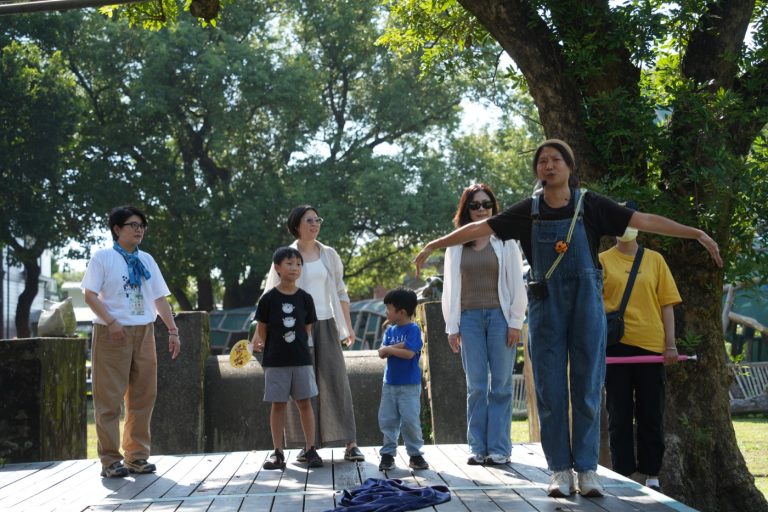
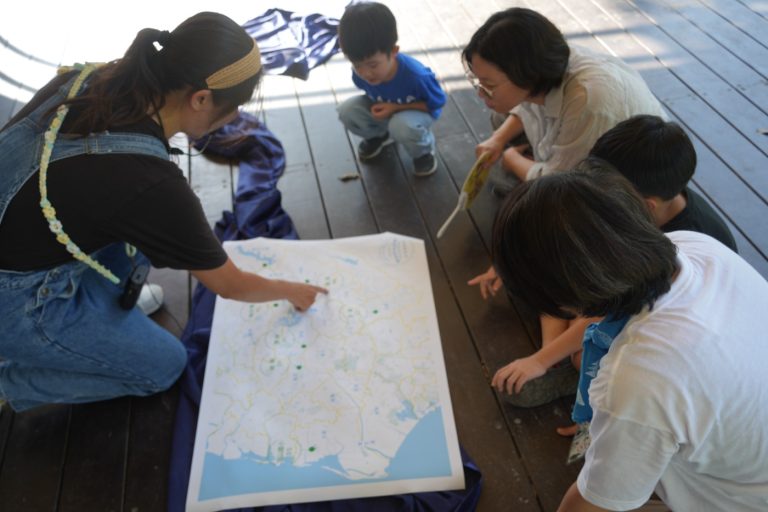
從曾文溪出發,把大地藝術季的策展概念變成親子都能參與的故事與體驗。透過河道變化、聚落探索、五感採集、角色體驗、藝術創作與流域飲食,帶著大小朋友在玩、看、聽、做之間,認識河流、土地與生活其中的各種生命,一起發現我們與流域之間的連結。
★ 每週下午三點於總爺藝文中心作品《曲流擺——流域饗宴》定番上演。
-
09.12 Sat 15:00|總爺藝文中心
【曲流擺】親子劇體驗活動─青暝蛇的足跡|小蟲子
-
09.19 Sat 15:00|總爺藝文中心
【曲流擺】親子劇體驗活動─用感官打開淺山的四封信|小蟲子 手作活動
-
09.26 Sat 15:00|總爺藝文中心
【曲流擺】親子劇體驗活動─誰來替河流說話|小蟲子
-
10.11 Sun 15:00|總爺藝文中心
【曲流擺】親子劇體驗活動─河流法庭開庭了|小蟲子
-
10.18 Sun 15:00|總爺藝文中心
【曲流擺】親子劇體驗活動─從土地長出來的味道|小芹&花花 手作活動
-
10.25 Sun 15:00|總爺藝文中心
【曲流擺】親子劇體驗活動─把左鎮放進畫裡|哀唷喂&音符鳥 手作活動
-
10.31 Sat 15:00|總爺藝文中心
【曲流擺】親子劇體驗活動─河流法庭開庭了|小蟲子
-
11.07 Sat 15:00|總爺藝文中心
【曲流擺】親子劇體驗活動─把左鎮放進畫裡|哀唷喂&小芹 手作活動
-
11.14 Sat 15:00|總爺藝文中心
【曲流擺】親子劇體驗活動─飛鼠搬家了|淑貞
-
11.21 Sat 15:00|總爺藝文中心
【曲流擺】親子劇體驗活動─誰來替河流說話|圓圓
-
12.05 Sat 15:00|總爺藝文中心
【曲流擺】親子劇體驗活動─青暝蛇的足跡|淑貞
Series 2總爺藝文中心其他活動7 sessions
-
09.05 Sat 10:00–17:00|總爺藝文中心
開幕市集「循流好市」
開幕日串聯「循流好市」永續市集,集結環保與地方創意攤商,搭配闖關集點、永續好禮、主題演唱及藝術導覽,邀請大家以行動感受藝術與土地共好的生活提案。
-
09.05 Sat 13:10–14:00|總爺藝文中心
《邊界的水位》開幕表演|藝術家 釣り人は鳥を知らない
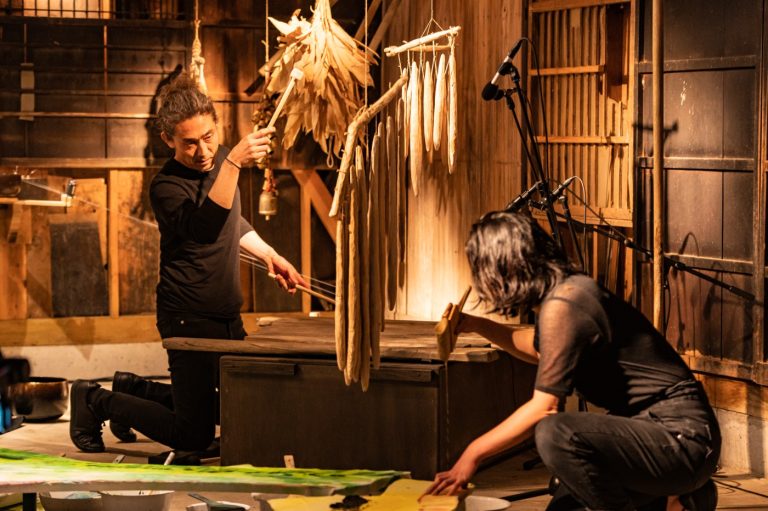
聲音藝術家永井朋生運用自然中拾取的素材創造聲響;嶋村有里子自由即興繪畫。兩人在同一空間演繹「垂釣者與飛鳥」的忘我意境,交織出一場不可複製的演出。
-
09.06 Sun 10:00–12:00|總爺藝文中心
嗅聞曾文溪——重構氣味記憶工作坊|藝術家 Frank Bloem
透過嗅覺探索你的流域記憶。在藝術家引導下,親手調配專屬氣味,將無形的感官體驗凝鍊為瓶中的個人敘事。
-
09.27 Sun 14:00|總爺藝文中心
野土創作分享會|藝術家 吳其錚
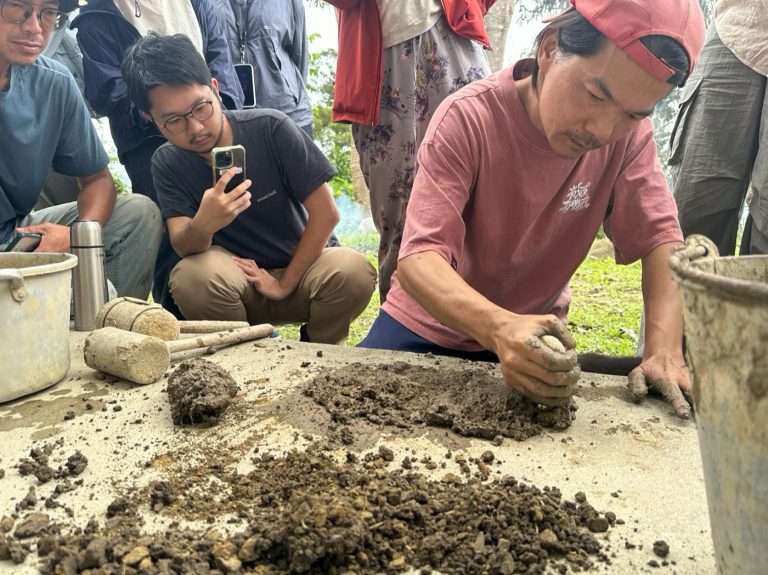
藝術家吳其錚將帶著左鎮土讓民眾感知他以「慢跑田調」展開的左鎮土《靈感路》系列作品的全新創作,並精華分享運用各地野土創作的經驗。
-
10.04 Sun 15:00|總爺藝文中心
【曲流擺】剝菱角活動
-
11.01 Sun 10:00–12:00|總爺藝文中心
匯流的曾文溪—調和成自己的氣息|藝術家 陳科廷
透過工作坊的民眾互動過程,尋找在地人記憶中的氣味,代代相傳之下、生活裡和自然植物間的關係,藉由氣味記憶串聯個人感知與集體經驗,呈現人與土地、身體與文化之間複雜而深刻的關係。
-
11.29 Sun 15:30–16:30|總爺藝文中心
環境劇場式導覽《看水 · 踅庄》走徑匏仔寮|差事劇團與匏仔寮居民共創演出
由差事劇團與匏仔寮居民攜手共創演出,從烏山頭水庫與曾文水庫之間的地景出發,透過環境劇場式導覽,引導走進日常與感受自然,在人與水的流變中,觀看庄頭的現在、過去與未來。
Series 3曾文水庫公共藝術民眾參與2 sessions
-
09.19 Sat 09:00–16:00|曾文水庫
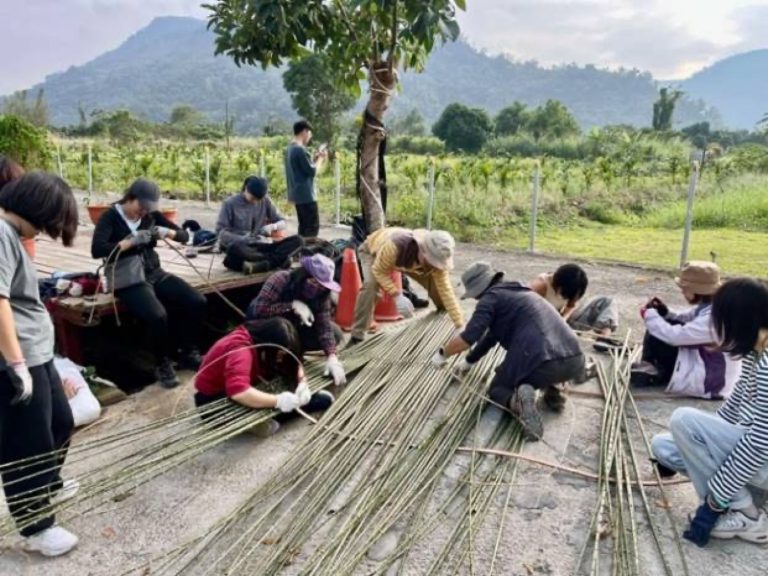
《Yungu 魚筌》民眾參與工作坊|藝術家 巴蘇雅・亞古曼
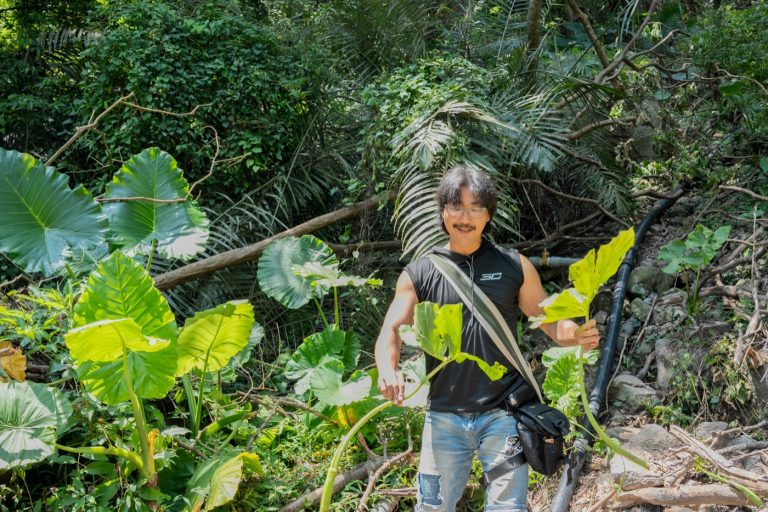
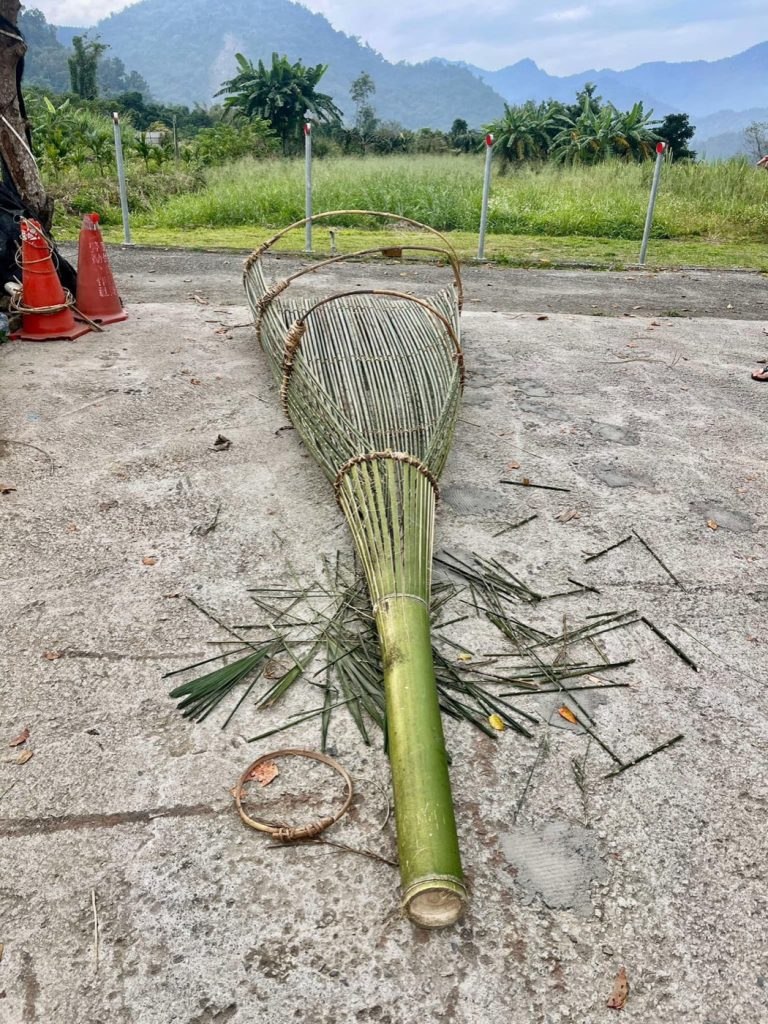
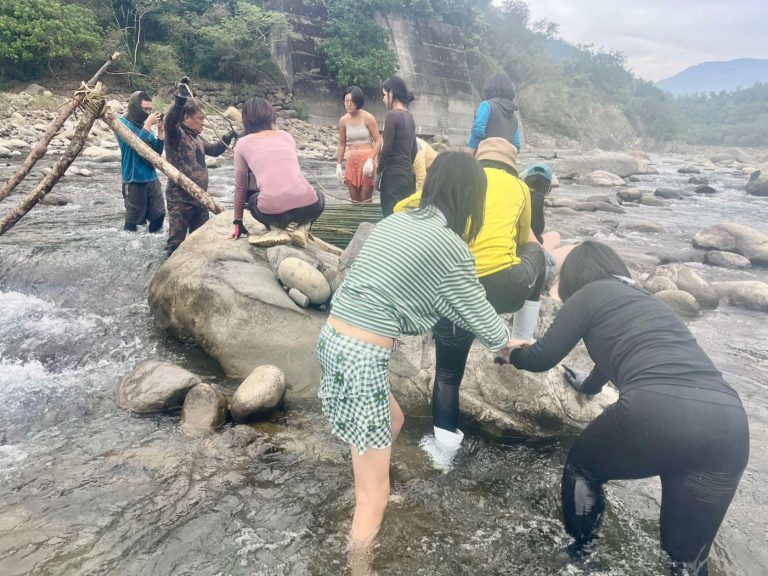
魚筌是鄒族連結山林、水域與生活智慧的傳統工藝。透過魚筌製作與曾文溪實地觀測,參與者以身體勞動認識民族植物智慧,重新感受人、土地與水域的連結。
-
09.25 Fri–09.26 Sat 10:00–16:00|曾文水庫
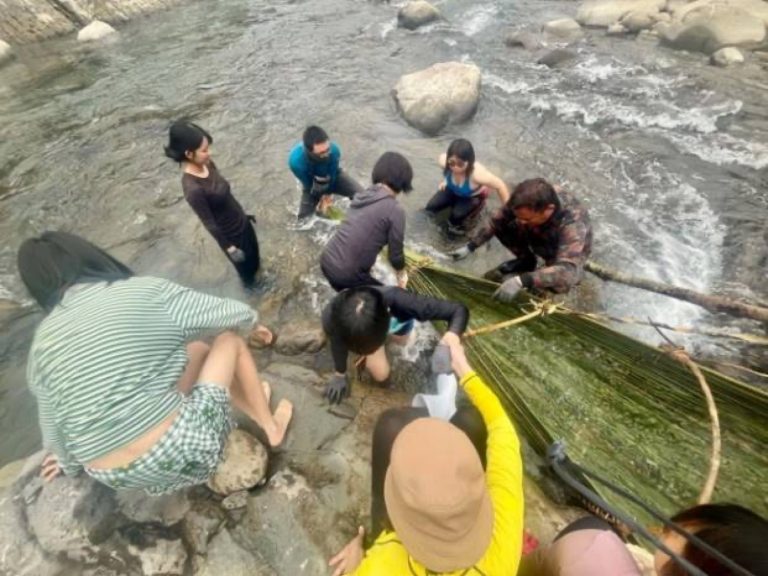
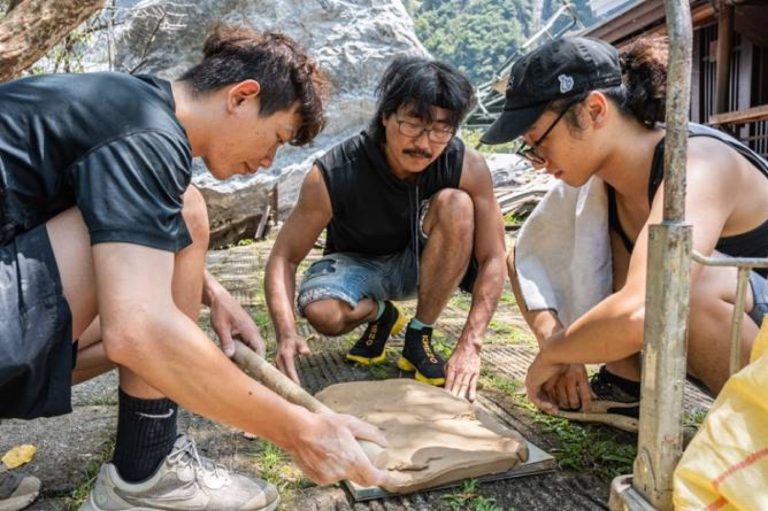
《波光粼粼》民眾參與工作坊|藝術家 涂維政
走進曾文水庫,採集、辨識當地植物,透過拓印與浮雕,將自然紋理融入《波光粼粼》,感受土地、植物與水域的緊密連結。
Series 4左鎮聚落走讀4 sessions
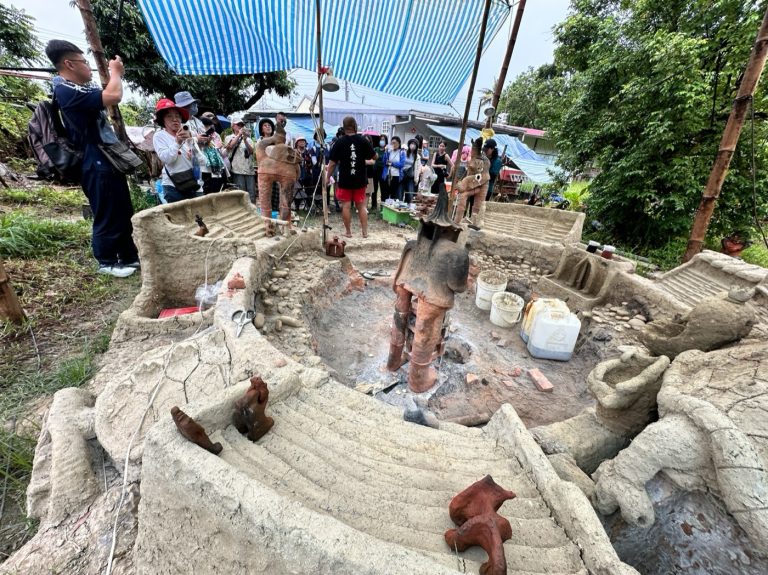
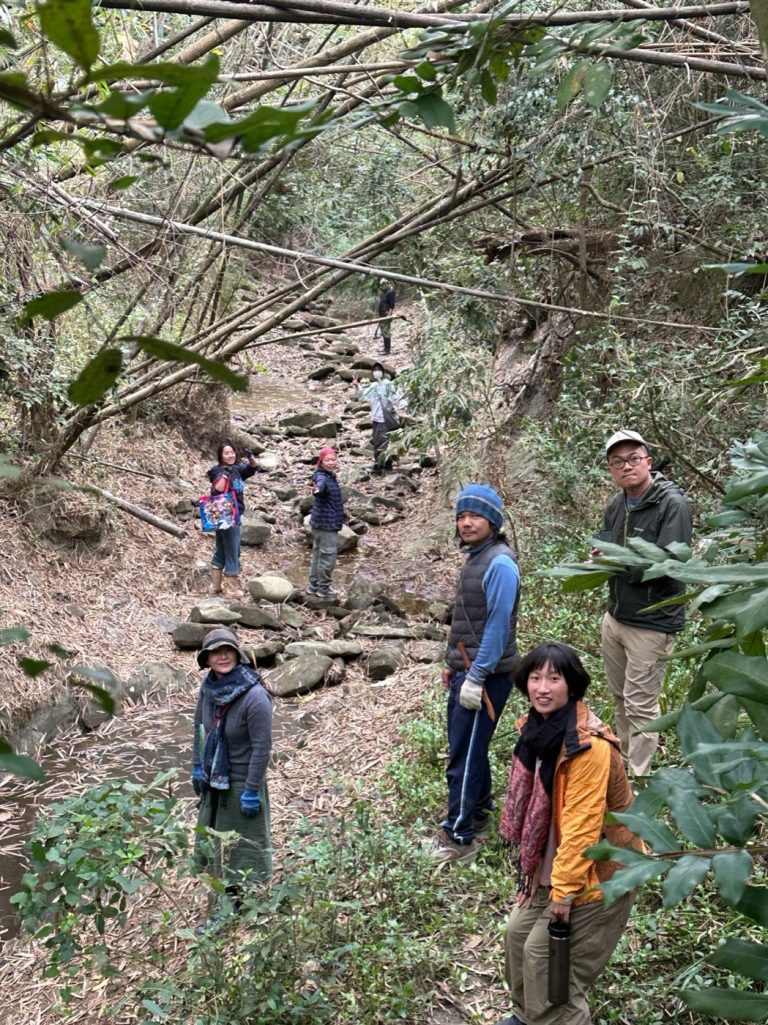
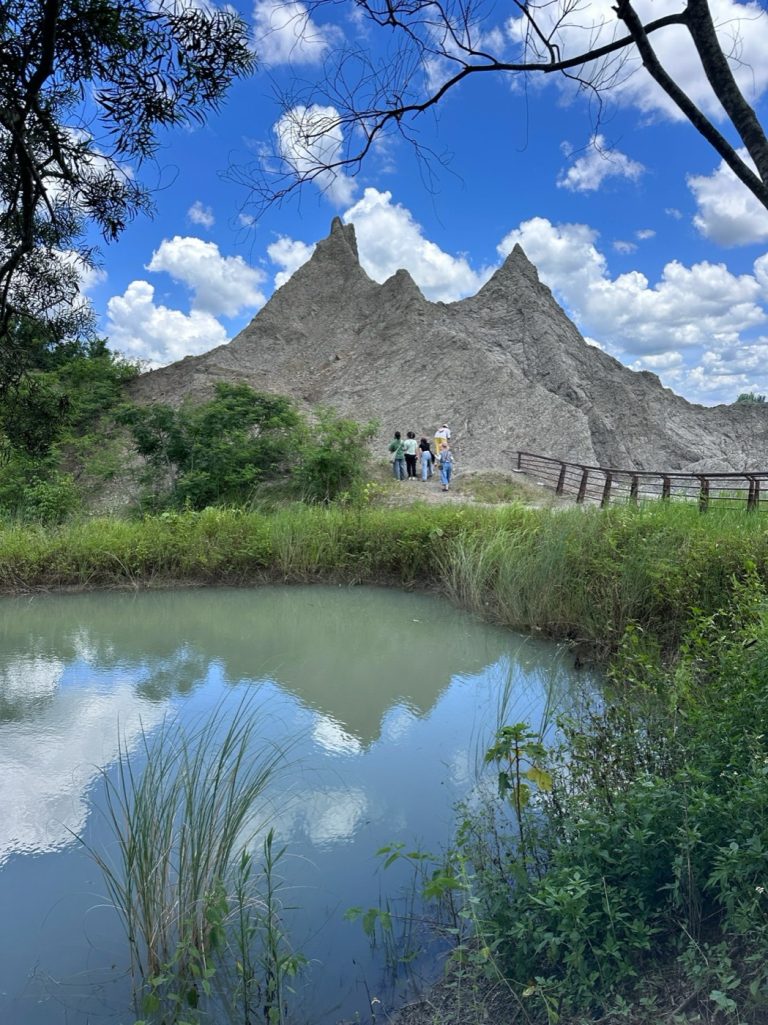
步行舊台20線,這條曾經最熱鬧的淺山左鎮的生活中心路線進入聚落與在地居民的共同記憶。四條走讀路徑對應六組藝術作品,邀請您雙腳踏進左鎮地層,穿梭於自然、生態、人文與歷史等多面向的淺山左鎮。
-
09.12 Sat 08:30|左鎮聚落
【走讀】人之徑|茅明旭×吳其錚×徐育霓
-
10.10 Sat 08:30|左鎮聚落
【走讀】土窯路|陳瑋軒×羅協全×徐育霓
-
11.15 Sun 08:30|左鎮聚落
【走讀】山海徑|茅明旭×王良傑×徐育霓
-
11.29 Sun 08:30|左鎮聚落
【走讀】地層路|楊宏裕×陳柳足×徐育霓
Series 5楠西聚落2 sessions
-
09.25 Fri 18:00–20:40|照興社區活動中心
《曾文溪之戀》放映暨映後分享
與國影中心合作,1985年經典電影《曾文溪之戀》首次重返拍攝地照興社區播映,睽違40年在地展映,喚醒時代記憶,也揭開流域影展「與水同行」巡迴放映序幕。
因天氣因素,順延半小時
-
11.20 Fri 14:00|密枝果農之家
探索可食野草料理工作坊|王家曼
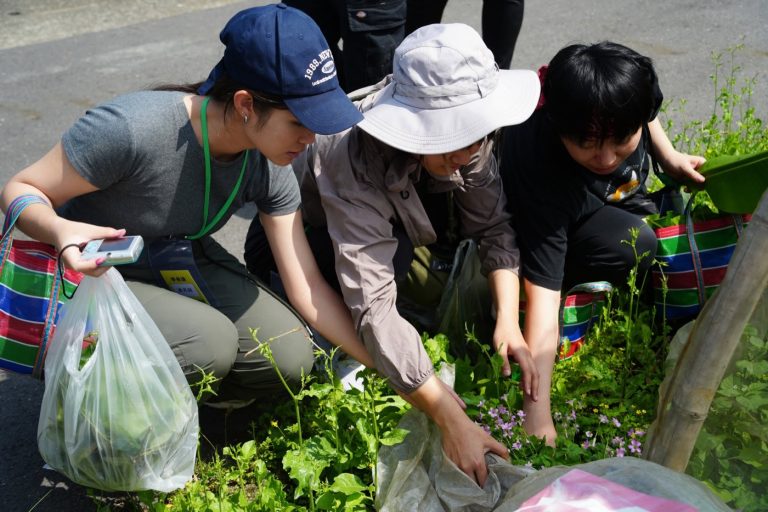
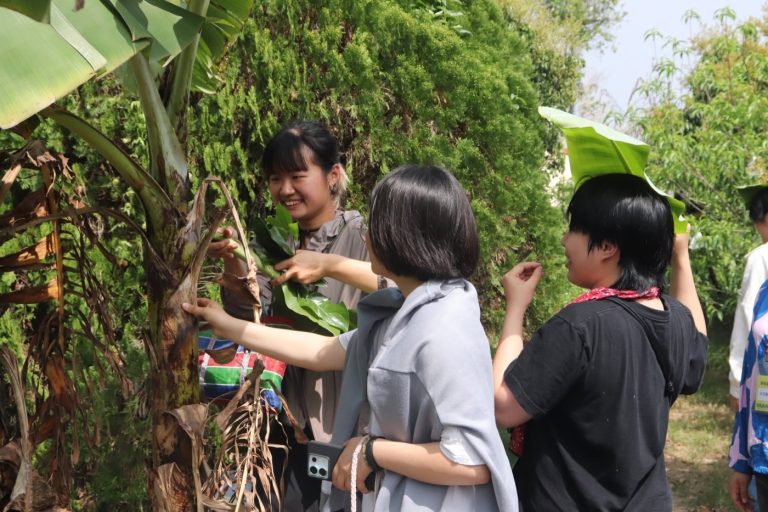
走進密枝果農之家,王家曼將從果園與聚落生活出發,認識生長於田邊、路旁的可食野草。從辨識、採集到簡易料理,在一餐一食之間,嚐見淺山風土,也重新發現地方日常裡的植物智慧。
Series 6拔林聚落6 sessions
-
09.26 Sat 15:00|拔林工作站
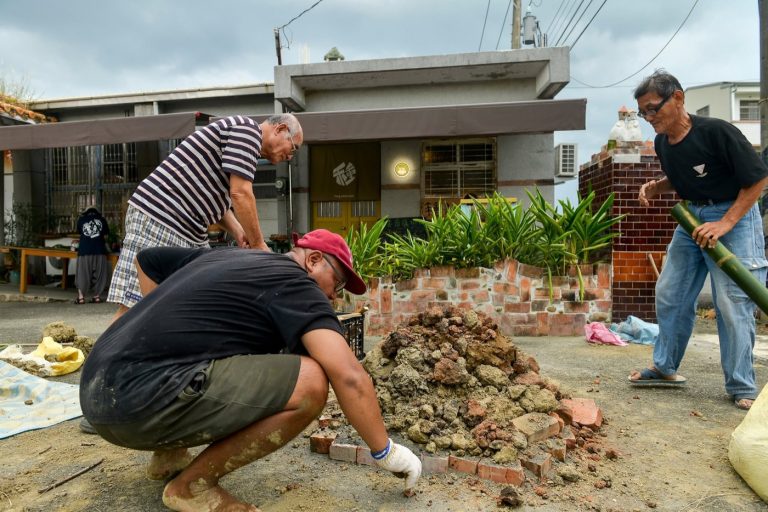
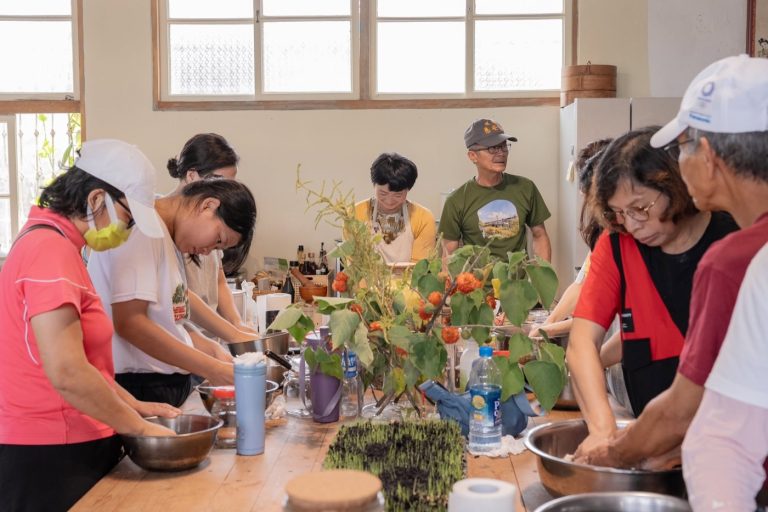
採集進行式——以烤的圍煮
-
10.10 Sat–10.11 Sun 16:00|川文山
《無真行動──當可追溯性逐漸消失》表演現場|藝術家 陳孝齊×藝術家 張君慈×策展人 吳思鋒
本展演以「《無爭世界》環行劇場」為基礎,使聲音、行走、身體與現場在同一時空介面中彼此觸發、交錯生成。
-
10.17 Sat–10.18 Sun 13:00–16:00|拔林活動中心
如果我有山的耳朵?——想像聆聽與行走譜記工作坊|藝術家 張君慈×藝術家 陳孝齊
如果我有山的耳朵,所聽見的世界會是什麼樣子?山是如何聆聽風、雨、岩層的移動,以及生物在其中的行走?
-
10.24 Sat 18:30|拔林工作站
烏山頭影展校外巡迴
-
11.07 Sat 15:30|拔林工作站
草木甦醒時:曾文溪畔的踏土、採集與草根漫步
-
11.22 Sun 15:45|拔林那塊田
流域土壤餐桌|藝術家 許怡慈
從土地裡的微生物共生,到流域間的多元豐盛,邀請眾人走入這片土地,把身體放進土裡,感受自然的軌跡。
Series 7匏仔寮聚落7 sessions
-
09.27 Sun 16:00–17:00|匏仔寮聚落
《看水 · 踅庄》走徑匏仔寮|差事劇團
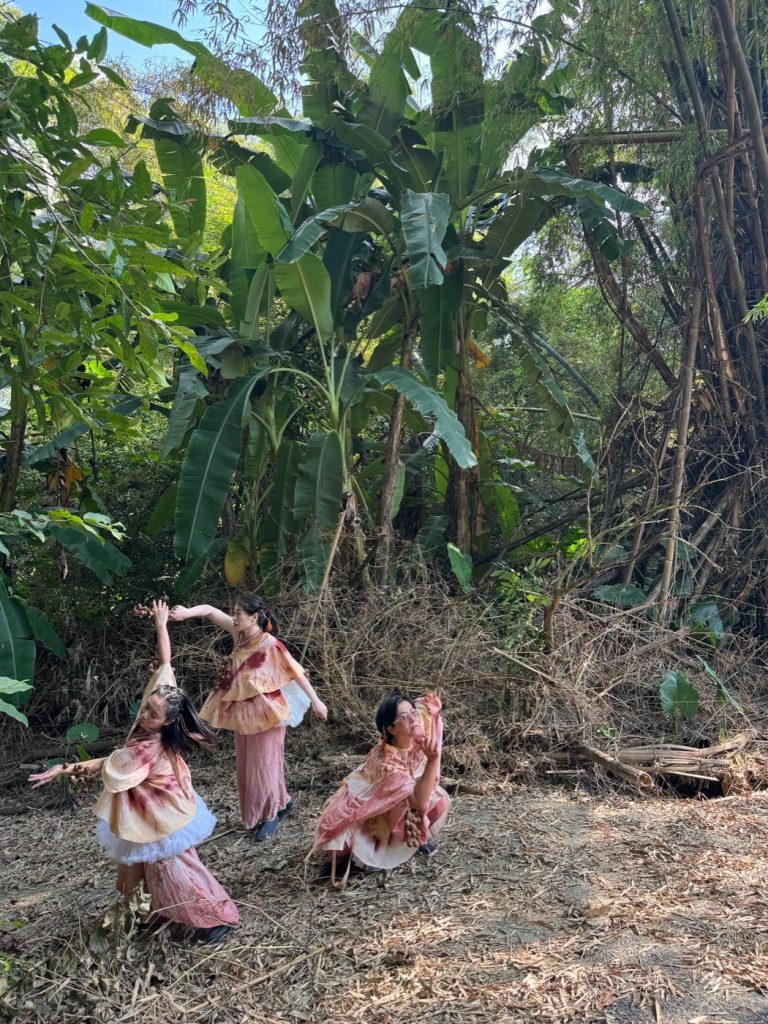
由差事劇團與匏仔寮居民攜手共創演出,從烏山頭水庫與曾文水庫之間的地景出發,透過環境劇場式導覽,引導走進日常與感受自然,在人與水的流變中,觀看庄頭的現在、過去與未來。
-
10.02 Fri 13:00–14:30|匏仔寮聚落
跟著引路人巡水路|何昇穎
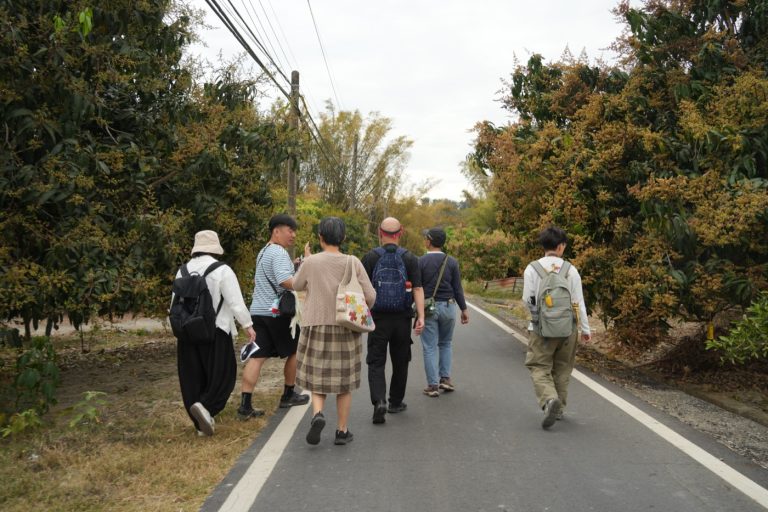
由本展引路人何昇穎帶領走進匏仔寮,沿著聚落巷弄、水路與小徑巡行,拜訪老屋、農園、廟宇與生活地景。從居民故事與水路記憶,認識聚落如何依水而生,走讀一座水畔村落的日常風景。
-
10.11 Sun 11:00–12:00、16:00–17:00|匏仔寮聚落
《看水 · 踅庄》走徑匏仔寮|差事劇團
由差事劇團與匏仔寮居民攜手共創演出,從烏山頭水庫與曾文水庫之間的地景出發,透過環境劇場式導覽,引導走進日常與感受自然,在人與水的流變中,觀看庄頭的現在、過去與未來。
-
11.01 Sun 14:00|匏仔寮聚落
淺山散步認識可食野草|王家曼
-
11.21 Sat 13:30–14:45|匏仔寮聚落
跟著引路人巡水路|何昇穎
由本展引路人何昇穎帶領走進匏仔寮,沿著聚落巷弄、水路與小徑巡行,拜訪老屋、農園、廟宇與生活地景。從居民故事與水路記憶,認識聚落如何依水而生,走讀一座水畔村落的日常風景。
-
11.21 Sat 15:00|匏仔寮池王府
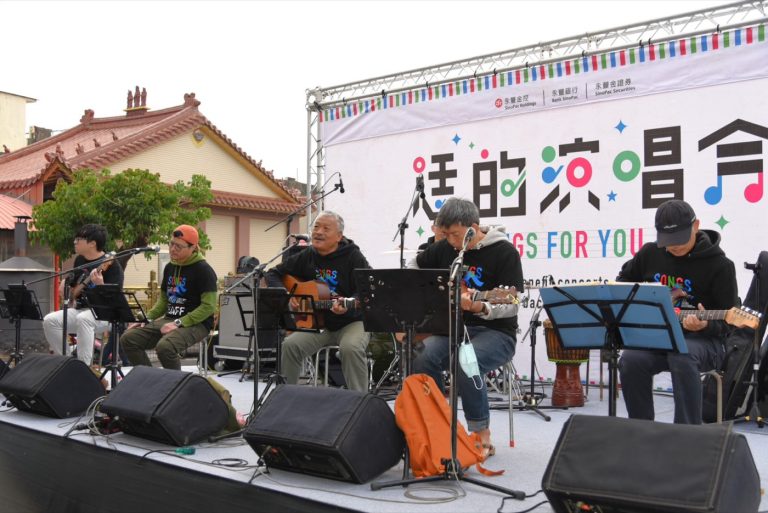
恁的演唱會六甲場|謝銘祐與麵包車樂團
-
11.23 Mon 10:00–11:00、15:00–16:00|匏仔寮聚落
《看水 · 踅庄》走徑匏仔寮|差事劇團
由差事劇團與匏仔寮居民攜手共創演出,從烏山頭水庫與曾文水庫之間的地景出發,透過環境劇場式導覽,引導走進日常與感受自然,在人與水的流變中,觀看庄頭的現在、過去與未來。
Series 8七股頂山國小3 sessions
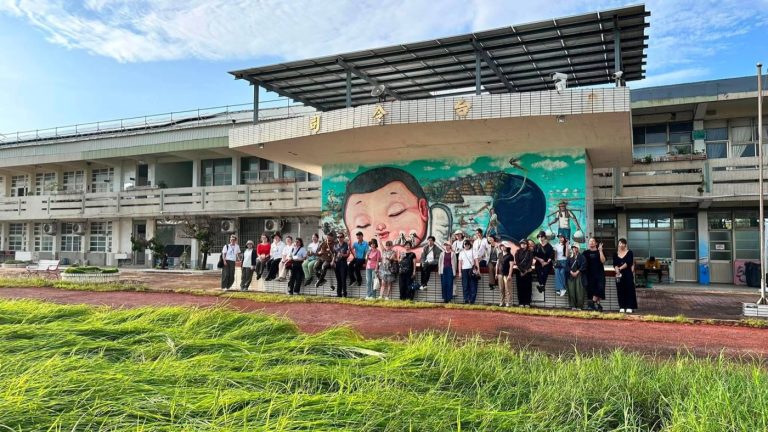
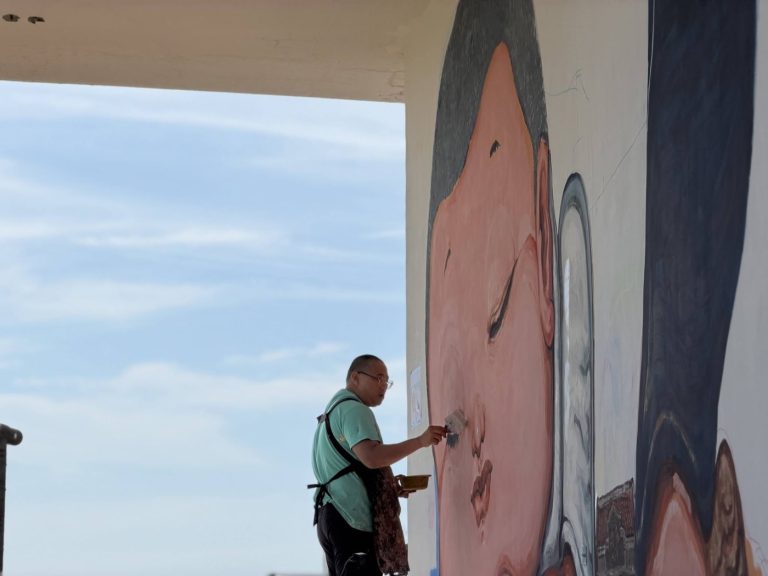
跟隨藝術家蔡濰任的步伐,踏入停辦後的頂山國小。聆聽創作理念與現地作品的深度解說,帶您赤腳觸摸曾文溪的淤沙,感受潮汐、鹽田與頂山社區聚落交織的在地故事。
-
10.25 Sun 15:00–17:00|七股頂山國小
未完待續的河口:頂山國小展區與社區記憶導覽|藝術家 蔡濰任
跟隨藝術家蔡濰任的步伐,踏入停辦後的頂山國小。聆聽創作理念與現地作品的深度解說,帶您赤腳觸摸曾文溪的淤沙,感受潮汐、鹽田與頂山社區聚落交織的在地故事。
-
11.08 Sun 15:00–17:00|七股頂山國小
未完待續的河口:頂山國小展區與社區記憶導覽|藝術家 蔡濰任
跟隨藝術家蔡濰任的步伐,踏入停辦後的頂山國小。聆聽創作理念與現地作品的深度解說,帶您赤腳觸摸曾文溪的淤沙,感受潮汐、鹽田與頂山社區聚落交織的在地故事。
-
11.28 Sat 15:00–17:00|七股頂山國小
未完待續的河口:頂山國小展區與社區記憶導覽|藝術家 蔡濰任
跟隨藝術家蔡濰任的步伐,踏入停辦後的頂山國小。聆聽創作理念與現地作品的深度解說,帶您赤腳觸摸曾文溪的淤沙,感受潮汐、鹽田與頂山社區聚落交織的在地故事。
更多活動4 sessions
-
10.20 Tue 13:30–16:30|麻豆國中
自然法庭入校園——跨域讀劇與生態議題思辨:曾文溪流域環境教育教師研習
原訂 10/14(三),因故改期
-
10.31 Sat|曾文水庫
曾文水庫慶生
-
11.21 Sat 10:00–15:00|石山引水道
曾文溪流域植物生態導覽|劉以誠
原訂 9/13(日),因天氣因素改期
-
12.06 Sun 10:00–17:00|曾文水庫
閉幕市集「大地波光好市」
Download imports the schedule once; subscribing keeps it in sync when sessions change.
News
展期限定〈曾文溪的一千種交會〉上線中
在這裡,我們邀請你暫時放下「人類」的視角,潛入河流中、或是翱翔於山林,感受曾文溪想與你訴說的話。
你所做出的每一個選擇,都將透過 AI 分析,轉化為曾文溪景色的一抹色彩與紋理。最後將繪製出一幅專屬於你的流域圖像,重現你心中與河流生命主權的共鳴。
準備好在流域中醒來了嗎?
休館公告|重要日期提醒
2026 Mattauw 大地藝術季展期自 9/5(六)至 12/6(日),期間部分日期因固定休館日及投票日,部分展區將暫停開放,請大家安排行程時特別留意。
📅 暫停開放日期
- 09.28(一)|適逢固定休館日,不開展
- 10.26(一)|適逢固定休館日,不開展
- 11.28(六)|適逢選舉投票日,「總爺藝文中心」、「拔林聚落」、「匏仔寮聚落」、「左鎮聚落」不開展
🕘 觀展資訊
全展區開放時間|週三至週日 09:00–17:00
※以下展區開放時間不同:
- 【左鎮展區】土農工商行、霓土 Space|週五至週日 10:00–17:00
- 【楠西・密枝展區】果農之家|週一至週三、週五至週日 09:00–17:00(週四不開放)
- 【七股・頂山國小】|週三至週日 10:30–16:30
因應近期臺南連日雨勢,曾文水庫展區作品進度調整
受近日雨勢影響,曾文水庫展區《農佣》、《魚筌》、《曾文溪的一千種交會》等作品,將於 9 月 25 日中秋連假前陸續完成,與大家相會。
歡迎中秋連假來到曾文水庫,在山水之間欣賞 #Mattauw大地藝術季 精彩作品,也一起參與藝術行動!
📍 活動預告
- 09.19|藝術家巴蘇雅・亞古曼〈魚筌〉|民眾參與工作坊|曾文水庫
- 09.25–26|藝術家涂維政〈波光粼粼〉|民眾參與工作坊|曾文水庫
- 09.25|《曾文溪之戀》放映|照興社區活動中心前廣場
因天候造成不便,敬請見諒。
靜候九月底,我們曾文水庫見!
Three Main Axes
Through embodied practice, we enter the field to continuously capture a multitude of sensory signals. By gathering olfactory, gustatory, auditory, and tactile sensations—alongside alternative visual experiences—this section creates diverse sensory interfaces for reading the Zeng-wen River.
Sub-projects Olfactory Project / Watershed Convergence / Field Collaboration / Downstream Society
Framed around “Rights of Nature Advocacy” and “Sacrificial Systems,” this initiative opens a platform for public dialogue on contemporary watershed relationships through experimental educational models and immersive, site-based experiences.
Sub-projects Watershed High School Camp / Small Things News / Rights of Nature Court / Rights of Nature Advocacy / Public Art / Watershed Film Festival
Facilitated by local guides over a three-year journey of dialogue and collaboration, this project delves deep into four settlements in the Zeng-wen River foothills to re-explore the intricate web of how local life lives and flourishes alongside water.
Sub-projects Pû-á-liâu / Balin / Zuozhen / Nanxi
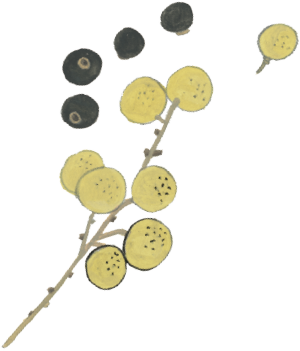
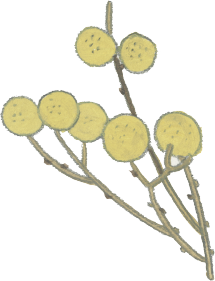

Sensory Fieldwork|Sub-projects
Olfactory Project氣味計畫
Smelling the Zeng-wen River
The Olfactory Project engages the sense of smell as an alternative sensory path and embodied experience to understand the Zeng-wen River. Distinct from visual or textual inquiry, scents are subtle and multi-layered, bypassing intellect to directly awaken subconscious memories and emotions. By gathering and reproducing natural and human-made scents across the watershed—from plant responses to land and climate, to traces of farming, livestock, aquaculture, and pollution—the project translates these olfactory signals into a sensory art experience. Artists create around "Scents of the Zeng-wen River," investigating local memory, ecological shifts, and historical narratives. Here, "local scent" becomes more than an environmental record; it tells stories of watershed transformation and co-existence.
Curator | HUNG Yu-cheng
Watershed Convergence流域聚匯所
The 2026 Mattauw Earth Art Festival transforms the Tsong-Yeh Arts and Cultural Center into a gathering realm for all living experiences across the basin. Artists Huang Wen-yuan, Lee Cheng-liang, and Wang Te-yu draw inspiration from foothill currents, the symbiotic hues of fish, and the enveloping touch of water to create large-scale, immersive installations. Intertwining family theater with high school camp initiatives, the project invites visitors to move from passive viewing into deep immersion—sensing the fluid, intertwined bonds between human bodies, the environment, and multi-species life.
Curators | HUANG Ching-ying, HUNG Yu-cheng
Field Collaboration田野共作
Field Collaboration journeys deep into the Zengwen River Basin. Step into a specific scale of time to temporarily become a "watershed inhabitant"—sensing, absorbing, and giving voice to the lived experience of the land. Using multi-sensory tracking and descriptive mapping, the project traces the stark topographic divide between the north and south slopes of the Badlands, the shifting terrain repeatedly sculpted by river sediment, the vanishing habitats of flying squirrels in the Cayamavana tribe, and historical cartographic techniques that re-examine territorial boundaries. Starting from subtle field clues, it continuously examines the shaping force of the landscape, the vitality of species succession, the governance of state institutions, and the anti-dispossession power latent within micro-historical narratives.
Curators | HUANG Ching-ying, HUNG Yu-cheng
Downstream Society下游社會
Anchored by the core creation World Without Conflict, this curatorial section uses Chuanwen Mountain as its site to compose a cross-media, trans-local text. Transformed into four to six audio tracks, the piece relies on sound to guide visitors as they walk and listen around the mountain. The project extends into two complementary events: the workshop "What is it like to be an ear of a mountain? — Imaginary Listening and Walking Score Workshop" and the live performance "When Traceability Fades Away." Here, sound and performance art become physical pathways, seeking through site-specific creation to rediscover the feeling of sensing the earth and to touch upon the fundamental ethics between humanity and the world.
Curator | WU Sih-fong
Public Dialogue|Sub-projects
Watershed High School Camp流域高中營
Borrowing Water from All Beings: The Zeng-wen River's Sacrifice
The Zeng-wen River meanders, loops, and folds through the low-elevation mountains. Within these geographical folds, mainstream narratives often overlook crucial details. The 2026 high school camp settles into two such folds—Daqiu Village and Guidan Creek. Using mind and body as measuring tools, students gauge grain sizes, flow velocities, and dam structures while drawing botanical maps and fisheye diagrams to document river health and human-water relationships. Guided by a three-year arc of "Connection," "Gratitude," and "Action," this year’s focus pairs gratitude with sacrifice—acknowledging that the reservoir’s bounty rests upon a system of basin sacrifices, and that true change begins with gratitude. On-site, participants feel like water carving stone: continually scraping, settling, and surging forward to shape their own rivers of life.
Curator | YANG Zhi-bin
Small Things News小事報
Could the rivers that cross Taiwan serve as learning places for elementary school students? How could editing concepts be applied to organize an entire watershed? The editing workshop of Small Things News led children living by the Zeng-wen River basin on a journey from the source's tribe to the estuary. In this river classroom, farmers, hunters, historians, artists, and educators became their teachers. Accompanied by farmers and hunters as guides, both young and senior editors explored from corners to land, from soil to river. Editors cultivated their professional skills in interviewing, writing, organizing, and editing through diverse and enlightening courses. During this exploration, lecturers and children learn and enjoy together, creating lasting river memories.
Chief Editors | HUNG Shu-ching, GONG Yih-jau
Rights of Nature Court自然法庭
Focusing on the Tsengwen River basin, this project addresses the coastal retreat and ecological tensions driven by hydraulic engineering interventions. It adopts the "Court of Nature" as its core curatorial framework.
The "Court of Nature" is not a legal trial in the conventional sense; rather, it translates the ecological transformations of the Tsengwen River basin into the structure of a courtroom. By leveraging familiar legal logic and procedural language as an entry point, it converts the environmental damages inflicted upon non-human entities into intelligible testimonies.
Within this dialectical framework, the project re-examines the very definitions of "damage" and "restoration" between human and non-human species, exposing the fundamental asymmetry between human governance modalities and ecological realities. By cultivating nuanced, multi-layered perspectives on the non-human condition, it invites us to reconsider the possibilities of coexistence among all beings and viable pathways for basin remediation.
Curator | YEN Wan-ling
Rights of Nature Advocacy自然權利倡議
The 2026 Mattauw Earth Art Festival champions the "Rights of Nature"—the idea that all beings are subjects of rights—engaging international water movements through philosophical inquiry, legal precedents, and artistic actions. The initiative features the Rights of Nature Study Notes archival exhibition, detailing global case studies and action pathways from the book Rights of Nature, alongside the International Water Dialogues, which gather European and local practitioners in talks and workshops to explore innovative ways to ground the Rights of Nature in Taiwan.
Curator | HUNG Yu-cheng Co-curator | LIN Fan-to
Public Art公共藝術
In collaboration with the Southern Region Water Resources Branch of the Water Resources Agency, Ministry of Economic Affairs, the festival presents three public artworks and four artistic actions within the Zeng-wen Reservoir area. Basuya Yakumangana responds to upstream fishing culture with traditional Cou fish traps (Yungu); Chen Wei-hsuan focuses on agricultural water and land production; and Tu Wei-cheng utilizes reservoir silt as a creative medium. Following the flow of water, these works and actions intersect through fishing, agriculture, and material cycles, establishing the reservoir as a pivotal site for observing the negotiations and connections among the basin's multi-species ecosystem.
Curators | HUANG Ching-ying, HUNG Yu-cheng
Watershed Film Festival流域影展
Centering on the Zeng-wen River basin, the Watershed Film Festival unfolds along Tainan’s urban core, historic streets, coastal zones, farming villages, and foothill settlements. The featured films span geographic terrains ranging from foothill zones like Nanxi and Balin to the banks of the Zeng-wen River, the street blocks of the West Central District, Sicao, and the Taijiang Inland Sea, weaving together urban transformations, river memories, local life, and the natural environment. Emerging from distinct landscapes, the films document how waterways reshape the land while observing how people gradually forge deep, complex emotional bonds between rivers, settlements, and everyday life.
Curator | HUANG Joe
Settlement Sites|Sub-projects
Pû-á-liâu匏仔寮
In the Midst of Becoming — Waterways, Place, and Relations
Set in Pû-á-liâu, this project traces the flow of waterways to contemplate how place comes into being through relationships. Waterways are more than physical geography; they weave together village life, collective memory, and multi-species co-existence across the basin. Through sound, video, fiber, and walking, artists and residents jointly translate local experiences, allowing the sense of place to continually emerge through the intertwining of people, environment, and time.
Curator | LIAO Yu-wei
Balin拔林
Vegetation Project 2.0
Carrying forward the "Vegetation Project" from the 2022 Mattauw Earth Art Festival, this initiative takes the riverside settlement of Balin as its base, focusing on plant ecology, farming wisdom, hydrological environments, and local life. After four years of maturation, the action model shifts from "collector" to "fermenter." Through long-term residency, physical labor, stewardship, and patient waiting, local relationships and knowledge undergo deep transformation. The project centers on three historic sites—the Balin Workstation, the Zeng-wen riverbed, and an abandoned general store—using artistic actions to participate in their cycles of decay and rebirth.
Curator | HUANG Ching-ying
Zuozhen左鎮
Traversing the Zuozhen Strata
How do we traverse the geological strata of Zuozhen? We step into the terroir and landscape, seeking directions from the sea that once was. Zuozhen’s geology forms a rich transition zone, spanning deep sea, shallow sea, intertidal zone, to river alluvium, making it a unique ecological corridor of dual spatiotemporal transformations. Drawing from the concept of "Deep Time" interpreted by natural history writer Robert Macfarlane, we look to the fissures of folded strata, badland topographies carved by water, and the pulse of marine and terrestrial fossils—seemingly static objects that vividly manifest traces of vital force. The exhibition presents six artworks mapped across four walking paths: Path of Humanity, Path of Mountain and Sea, Route of Strata, and Route of Earth Kilns. We invite you to step into Zuozhen’s strata with your own feet and traverse the multifaceted foothill landscape across nature, ecology, culture, and history.
Curator | HSU Yu-ni
Nanxi楠西
Foothill & Riverside Field Notes Lab
Taking the foothill settlements along the Zeng-wen River Basin as its writing site, the Foothill & Riverside Field Notes Lab is an evolving platform for local knowledge. Through field research, community participation, artistic co-creation, and sensory collection, it records memories of the land, flora, climate, and daily life. From orchard landscapes and seasonal scents to local lore, every walk, harvest, and creation marks a new beginning in knowing the land. More than an exhibition venue, the lab is an artistic method for connecting people, land, and nature to co-write a contemporary countryside journal along the hills and rivers.
Curator | LIAO Yu-wei
Venues
Located in Madou, Tainan, the Tsong-Yeh Arts and Cultural Center was originally the Meiji Sugar Corporation’s Tsung-Yeh Factory, established in 1912. Once a crucial site for the local sugar industry, it carries the collective memory of Madou residents…
Exhibition spots Lawn, Red Building, Deputy Director’s Residence, Sugar Learning Yard, Dingshan Elementary School (extension)
Located on the upper reaches of the Zeng-wen River, the Zeng-wen Reservoir began construction in 1967 and was completed in 1973. A major national economic development initiative, it carries vital functions in irrigating the Chianan Plain, hydroelectric power…
Exhibition spots Junction in front of the Zengwen office area, Zengwen office area, Zengwen Eye Visitor Center, lawn by the boat pier, Ecological Education Hall (3F observation deck)
Located in Guantian District, Tainan City (formerly Balin Village, now Duba Village), Balin derives its name from early times when wild guavas (bali) grew abundantly into forests. Originally dominated by the Lai clan settlement, the area retains deep-seated…
Exhibition spots Balin Workstation, Plant a Bookstore, Chuanwenshan, That Field, the corner store
Pû-á-liâu is located in Daqiu Village, Liujia District, Tainan City. Situated between the Zeng-wen Reservoir and Wushantou Reservoir, it is a vital traditional settlement in the foothill zone along the middle reaches of the Zeng-wen River. Residents have…
Exhibition spots Orange work shed, No. 23 Pû-á-liâu, Uncle Ba’s roasting hut, Pû-á-liâu Chi Wang Temple, village spaces
Zuozhen was historically known as "Bama," meaning a place where mountain trails were so rugged that even horses would stumble and fall. The area is renowned for its Siraya Pingpu indigenous culture, badland topographies, and abundant prehistoric fossils…
Exhibition spots Zuozhen District Library, Nitu Space, Tunong Gongshang Shop, Gongguan Community Development Association, Zuozhen Old Street
Zhaoxing and Mizhi are located in the northeastern part of Nanxi District, Tainan, nestled within the foothill zone of the Zeng-wen River basin, possessing rich natural environments and rural culture. Zhaoxing Community centers around Zhengxing Old Street…
Exhibition spots Zhaoxing Community Activity Center, Guonong Home (Fruit Farmers’ House)
Dingshan Elementary School is located in Qigu District, Tainan City, downstream near the mouth of the Zeng-wen River where river, ocean, and settlement intersect. Originally a sandbar in the Taijiang Inland Sea, villagers initially subsisted on fishing and…
Exhibition spots Classrooms, Assembly stage
List of venues
- Main Venue│Tsung-Yeh Arts and Cultural Center Directions (opens Google Maps in a new window)
- Focus Venue│Zengwen Reservoir Directions (opens Google Maps in a new window)
- Village Venue│Guantian · Balin Directions (opens Google Maps in a new window)
- Village Venue│Liujia · Pû-á-liâu Directions (opens Google Maps in a new window)
- Village Venue│Zuozhen Directions (opens Google Maps in a new window)
- Village Venue│Nanxi · Zhaoxing & Mizhi 照興社區活動中心 (opens Google Maps in a new window)果農之家 (opens Google Maps in a new window)
- Satellite Venue│Qigu · Dingshan Elementary School Directions (opens Google Maps in a new window)
Tsung-Yeh Arts and Cultural Center
Located in Madou, Tainan, the Tsong-Yeh Arts and Cultural Center was originally the Meiji Sugar Corporation’s Tsung-Yeh Factory, established in 1912. Once a crucial site for the local sugar industry, it carries the collective memory of Madou residents. Following World War II, the sugar mill was taken over and managed by the government, undergoing several reorganizations before finally closing in 1993. When the plant structures were slated for demolition in 1998, local historians and community residents advocated fiercely to preserve key architectural and landscape features. In 1999, structures including the Red Brick Office, Factory Director’s Residence, Guest House, Red Brick Staff Dining Hall, Japanese Garden, century-old camphor groves, steam locomotives, and sugar millstones were officially preserved. Today, transformed from a sugar mill into a cultural park, Tsong-Yeh honors sugar heritage and local memory while serving as a vital venue for artistic presentation and cultural exchange.
Exhibition spots Lawn, Red Building, Deputy Director’s Residence, Sugar Learning Yard, Dingshan Elementary School (extension)
Zengwen Reservoir
Located on the upper reaches of the Zeng-wen River, the Zeng-wen Reservoir began construction in 1967 and was completed in 1973. A major national economic development initiative, it carries vital functions in irrigating the Chianan Plain, hydroelectric power generation, public water supply, and flood control. Impounding water into a vast lake, it transformed mountain-encircled terrain into an expanse of emerald waters, opening for tourism in 1974 as a key site for natural scenery and recreation. In 2012, the reservoir was certified as an environmental education center, focusing on water resource conservation, natural ecology, and climate change education. It fosters public awareness of how typhoons and heavy rainfall impact reservoirs to encourage water stewardship. With its rich flora and fauna, bird life, and forest landscapes, the Zeng-wen Reservoir stands as a crucial site combining environmental education with eco-tourism value.
Exhibition spots Junction in front of the Zengwen office area, Zengwen office area, Zengwen Eye Visitor Center, lawn by the boat pier, Ecological Education Hall (3F observation deck)
Guantian · Balin
Located in Guantian District, Tainan City (formerly Balin Village, now Duba Village), Balin derives its name from early times when wild guavas (bali) grew abundantly into forests. Originally dominated by the Lai clan settlement, the area retains deep-seated local faith and community memory. Since 2022, the curatorial team has entered Balin, establishing a base at the Lai Clan Seven-Branch Ancestral House. By transforming the ancestral hall into a local working station through artist residencies, space renovation, and community exchanges, the team initiated co-creative actions connecting art with place. The Plantbook Bookstore continues the initiative from the 2022 Mattauw Earth Art Festival; created by faculty and students from the Tainan National University of the Arts (TNNUA), it uses books, reading, and knowledge sharing to cultivate care and connection for the land. Adjacent to the Chuanwen Mountain Forest Ecological Conservation Farm and Guantian Pheasant-tailed Jacana Eco-Education Park, Balin integrates railways, local history, and natural ecology, showcasing a distinctive settlement brimming with living memory and creative vitality.
Exhibition spots Balin Workstation, Plant a Bookstore, Chuanwenshan, That Field, the corner store
Liujia · Pû-á-liâu
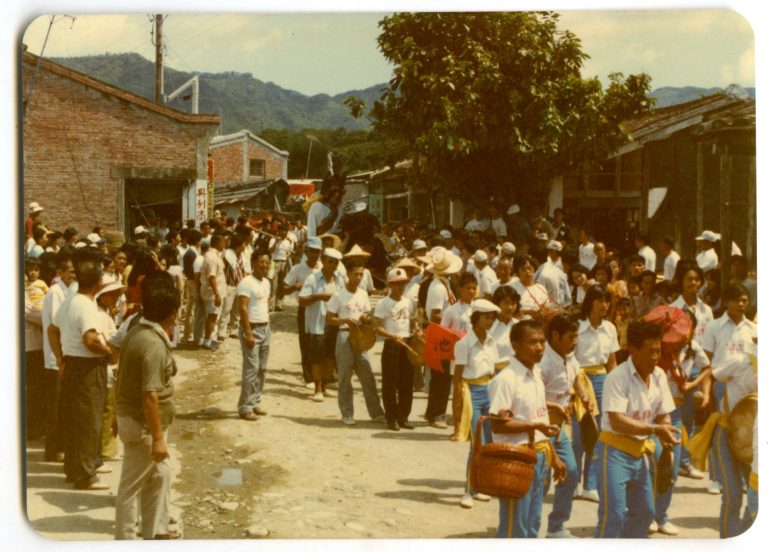
Pû-á-liâu is located in Daqiu Village, Liujia District, Tainan City. Situated between the Zeng-wen Reservoir and Wushantou Reservoir, it is a vital traditional settlement in the foothill zone along the middle reaches of the Zeng-wen River. Residents have lived alongside mountains and waters for generations, sustaining local culture through forest-and-agriculture livelihoods and a lifestyle in harmony with nature, exemplifying the close bond between people and land. Faith serves as a powerful force unifying the Daqiu settlement network. The Tainan City-Designated Folk Custom "Qingfo Xuezhuang (Welcoming Deities and Village Procession) of Daqiu Sanjiatou, Liujia" has continued since the Qing Dynasty for over 150 years. Operating on a six-year cycle, it features three years of processions followed by three years of theatrical performances. During processions, the three major settlement corners (Dingjiao, Zhongjiao, and Xiajiao) jointly participate, touring nine settlements including Lingding, Daqiuyuan, Pû-á-liâu, Jiuchongqiao, Nanshikeng, and Beishikeng, with every household fully engaged. Each settlement organizes drum-and-gong troupes and prepares special refreshments, welcoming devotees through open hospitality. Here, faith is not merely a ritual, but a living practice that bridges resident emotions and sustains local memory.
Exhibition spots Orange work shed, No. 23 Pû-á-liâu, Uncle Ba’s roasting hut, Pû-á-liâu Chi Wang Temple, village spaces
Zuozhen
Zuozhen was historically known as "Bama," meaning a place where mountain trails were so rugged that even horses would stumble and fall. The area is renowned for its Siraya Pingpu indigenous culture, badland topographies, and abundant prehistoric fossils. Shaped by peculiar geological conditions, the undulating terrain forms unique landforms including cuestas, deep ravines, meanders, and craggy cliffs. Lacking flat expanses, it was historically described as having "not even three flat li of land," demonstrating a distinctive landscape where mountain settlements intertwine with the natural environment. Zuozhen’s vast grey-blue shale (chalk) geology fosters diverse landforms; among them, Erliao Lookout is famous for its low-altitude sea of clouds and magnificent sunrises, while Caoshan Moon World exhibits a desolate, otherworldly badland landscape.
Exhibition spots Zuozhen District Library, Nitu Space, Tunong Gongshang Shop, Gongguan Community Development Association, Zuozhen Old Street
Nanxi · Zhaoxing & Mizhi
Zhaoxing and Mizhi are located in the northeastern part of Nanxi District, Tainan, nestled within the foothill zone of the Zeng-wen River basin, possessing rich natural environments and rural culture. Zhaoxing Community centers around Zhengxing Old Street; early residents relied on bamboo rafts to cross the Zeng-wen River until Yongxing Suspension Bridge connected the two banks. Carambola (star fruit) orchards along the way were once a major local industry; today, remaining orchards combine with local produce, religious faith, and river landscapes to reveal mountain village life. Mizhi Community was originally named "Miju" (hidden dwelling), signifying a place concealed deep within the forest that preserved a secluded natural environment due to past transport challenges. Residents primarily cultivate fruit trees such as Carambola, mango, and longan. In recent years, through fruit-picking experiences, DIY jam-making, specialty cuisine, and agricultural processing, the community has promoted rural tourism and local revitalization, linking agriculture, ecology, and community culture to embody co-existence between people and land in a mountain village.
Exhibition spots Zhaoxing Community Activity Center, Guonong Home (Fruit Farmers’ House)
Artwork Map 照興社區活動中心 (opens Google Maps in a new window)果農之家 (opens Google Maps in a new window)
Qigu · Dingshan Elementary School
Dingshan Elementary School is located in Qigu District, Tainan City, downstream near the mouth of the Zeng-wen River where river, ocean, and settlement intersect. Originally a sandbar in the Taijiang Inland Sea, villagers initially subsisted on fishing and aquaculture. During the Japanese colonial period, salt industry expansion converted vast fishponds into the First Production Zone of the Qigu Salt Pan. Consequently, Dingshan emerged as an early settlement combining salt-panning, Wangye deity worship, and fisheries. Dingshan Elementary School once served as a place of learning for children in this coastal tide-gap. Following industrial shifts, the cessation of salt farming, and population outflow, the school closed in 2008. Today, the decommissioned campus serves as a local community center and a base for the Taiwan Black-faced Spoonbill Conservation Association. The Dingshan salt flats and surrounding fishponds provide hospitable habitats for bird species like the Black-faced Spoonbill and Little Tern, making it a critical area for birdwatching and ecological conservation.
Exhibition spots Classrooms, Assembly stage